My life is taking a turn. A slow, gentle turn. A long, slow, gentle, forgiving, benevolent, lovely turn from being a full-time corporate IT person and part-time photographer, to being a full-time creative. At work I call myself a Computer Scientist, which I am, but which my job is really not. In the best of times, I develop a technical strategy for a particular set of business problems, but then spend a great deal more energy explaining, cajoling, and otherwise convincing others of its merits. I have used this title, because for me, it has resonance and respect.
But no longer do I need the crutch of a chosen title to bolster my self-worth. Soon, very soon now, I will be free from the world of corporate competition that rewards work based on comparison of how much, rather than the excellence of how well. I do not begrudge the corporate world. It has provided me with a stability and financial security which, for whatever irrational need you choose to name, was my existential boogie-man.
Just as the traditional titles for IT professionals never felt right or good, neither do post-career titles. Retirement: “giving up work”. Who said anything about “giving up”. There is no giving up involved. No, this new period is my time of embracing creativity without critic or guardrails.
On an early spring morning in Yellowstone’s Lamar Valley, a large herd of bison passed through the greening valley graze with their young “red dogs”. A documentary photographer and her wildlife-photographer friend stopped on the side of road to watch the herd pass through. There must have been several hundred bison, as we watched the scene evolved over the course of at least an hour. I did not know what to do with my camera. Despite weeks of practicing with the little birds in the park, the 100-400 mm lens was unwieldy and an unfamiliar perspective. The bison were so far away and the landscape was broad and varied. I closed my eyes, took a deep breath, and when my eyes reopened they landed on a lyrical spot of land – a graceful meander of brown etched through the young green expanse. I had only to compose and wait, just as I have done so many times before on the street. Quietly watching and waiting, the scene to transformed from chaos to a simple poetic statement about spring in the Lamar Valley.
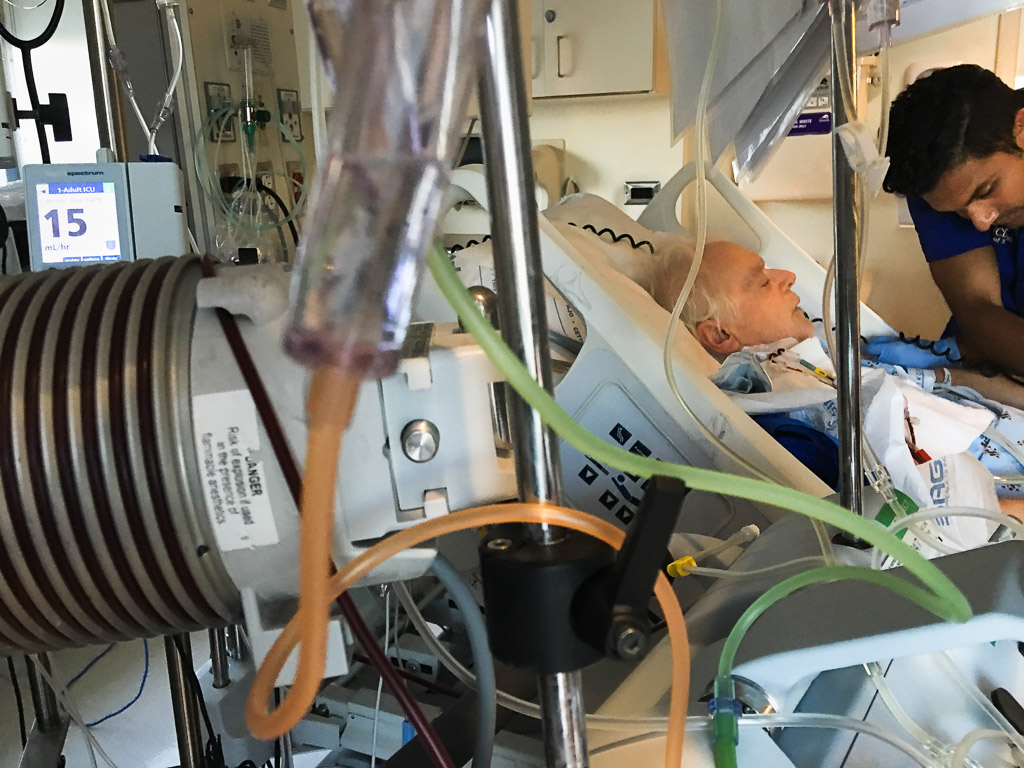
January 23, 2016 – Blood makes a bypass loop to cleaned, warmed, and mixed with albumin before returning to Chick’s body.Chick’s GBS Adventure, Chick Lehrer, Guillian-Barre Syndrome, GBS
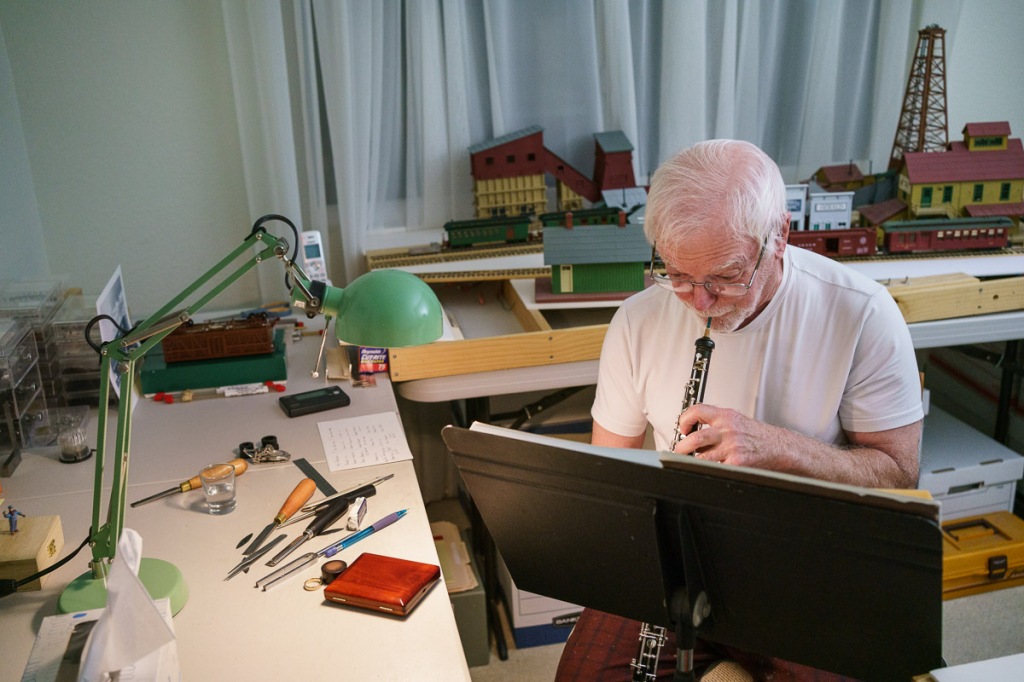
January 31, 2016: “One day I was practicing the oboe, building models in quarter-scale of Civil War railroads, going to the gym four times a week where I kicked ass with the soccer mom in cardio kickboxing, and going to Nancy’s photographic stuff. The next thing you know, I was laying in a hospital bed in the emergency room at Los Robles hospital in unbelievable pain and my fingers and toes tingling like crazy.”
January 16, 2020 – Practicing in his train room.
4 years ago, on January 12th 2016, my husband was admitted to the hospital with no more specific of a diagnosis than “profound weakness”. The final diagnosis came 10 days later: Guillain-Barré Syndrome – an autoimmune condition that attacks the myelin nerve sheaths and leaves them incapable of transmitting nerve impulses to the muscles. The first symptoms are tingling in the hands and feet leading ultimately to various degrees of paralysis. Recovery begins only after the autoimmune response is stopped. It then typically takes 1-2 years for the nerves to repair themselves down through the hands and feet, and the strength lost by muscle atrophy to be rebuilt. Chick became paralyzed from the neck down. On Friday evening, January 22nd, he was finally diagnosed and transported to UCLA Medical Center to begin 5-rounds of plasmapheresis, a treatment to stop the autoimmune response, and set him up for his long recovery. This is when we started blogging daily: https://chicksgbsadventure.wordpress.com/
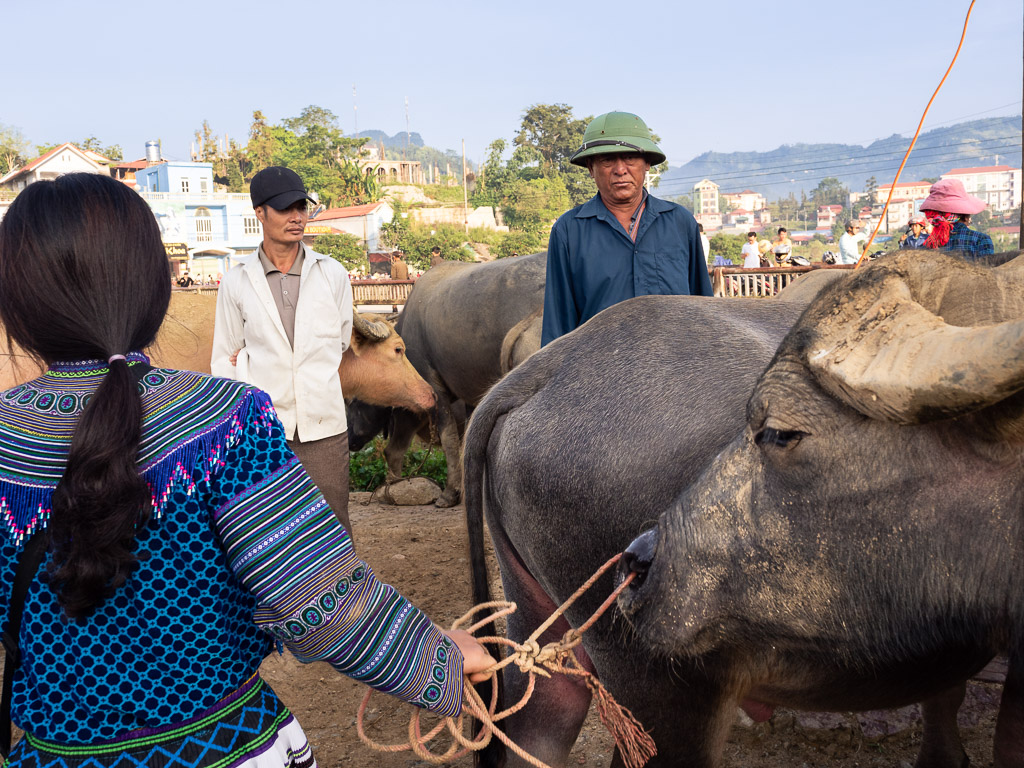
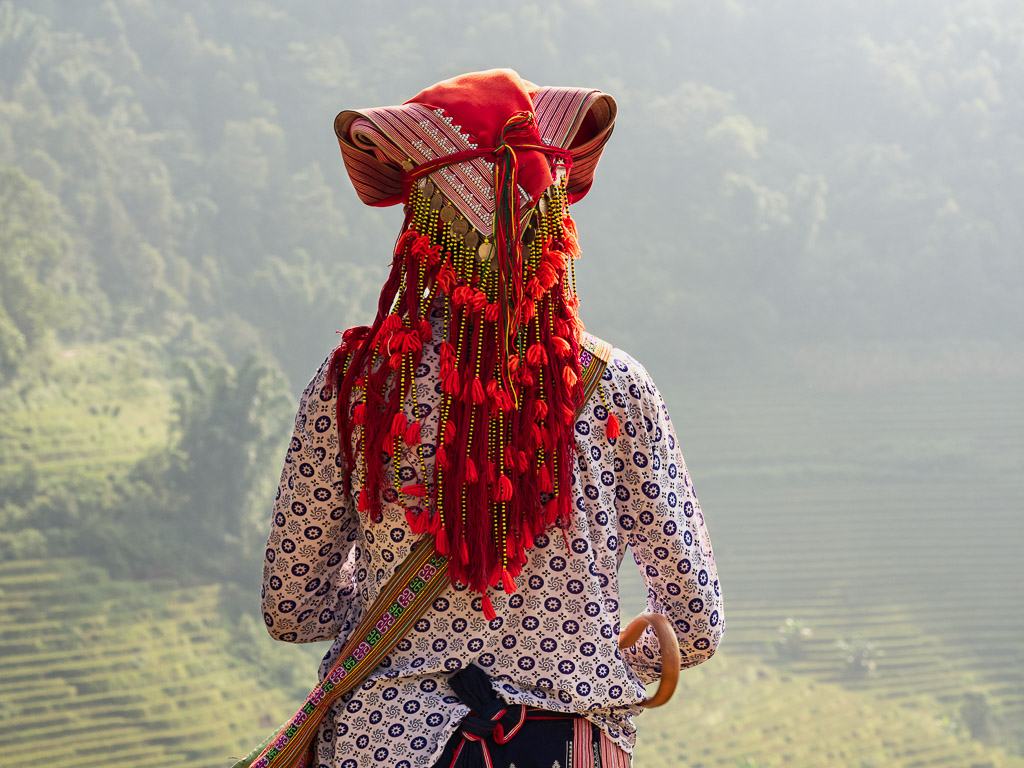
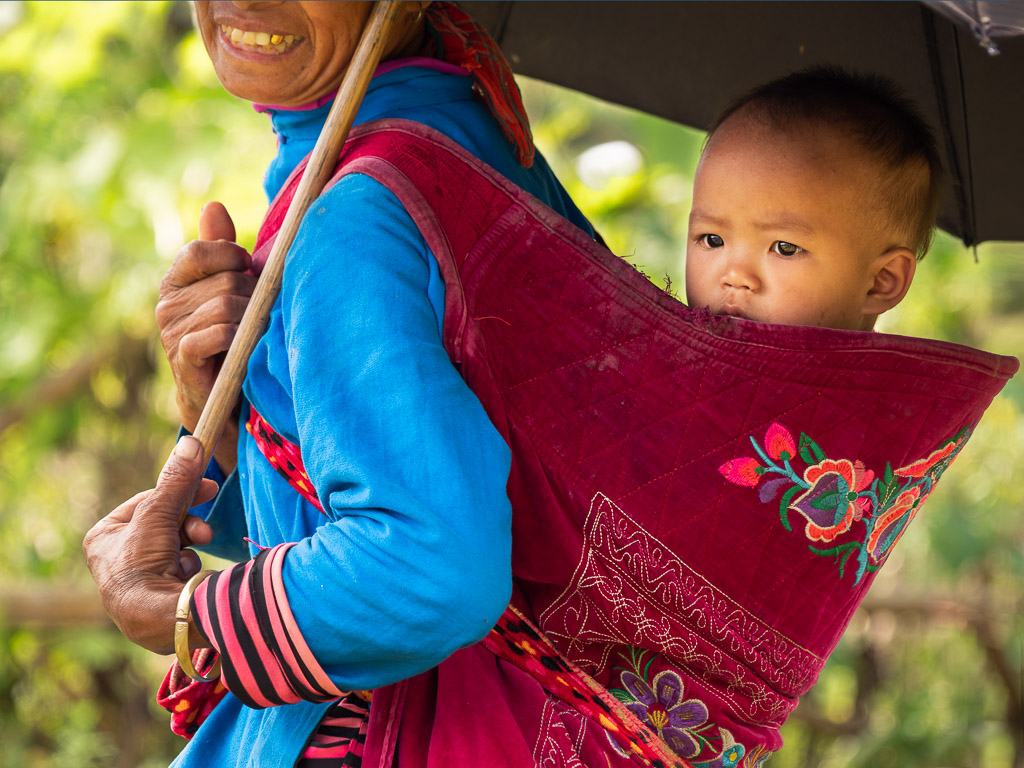
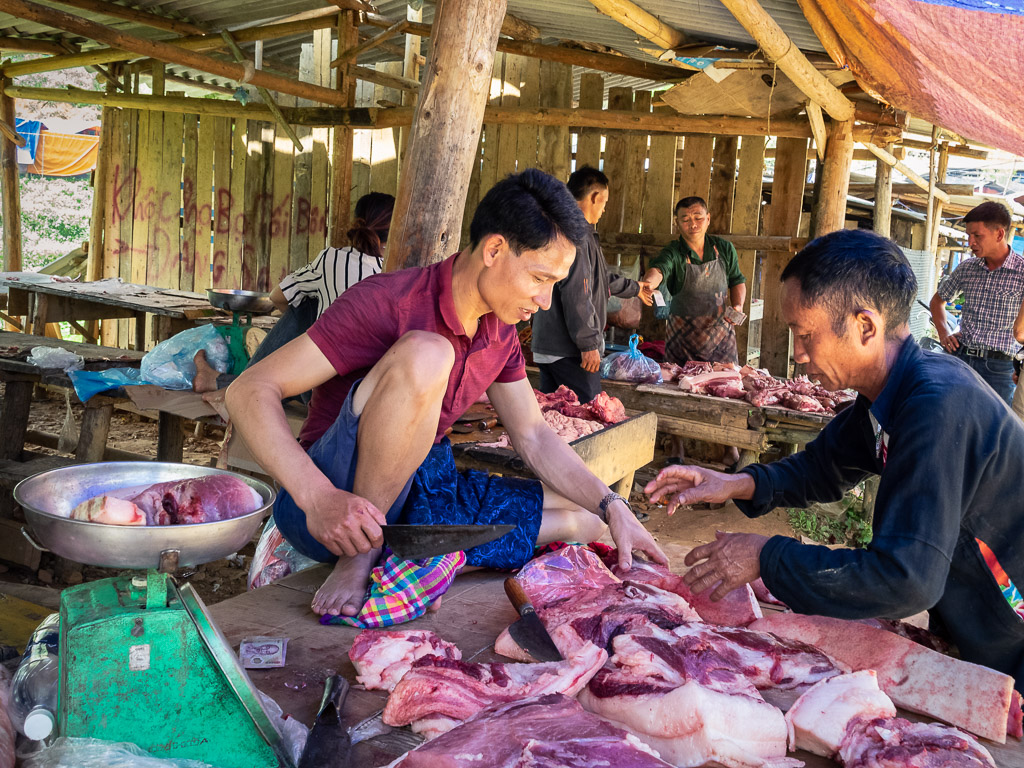
Tribes of Vietnam Within The Frame Photographic Adventures
September 2019
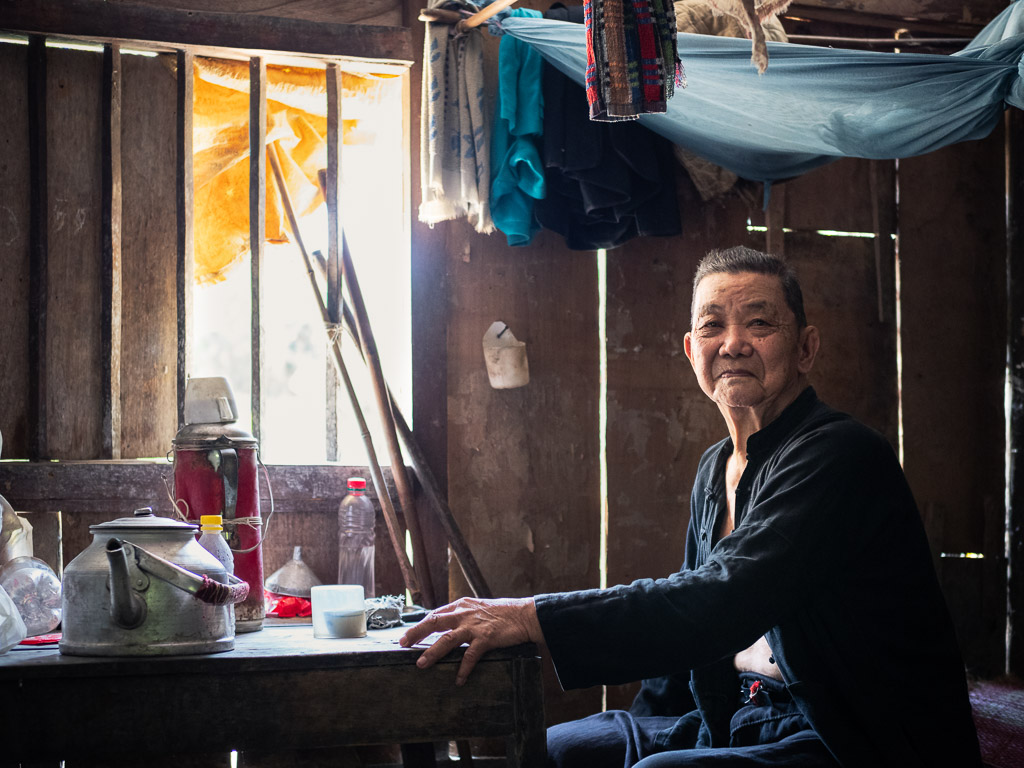
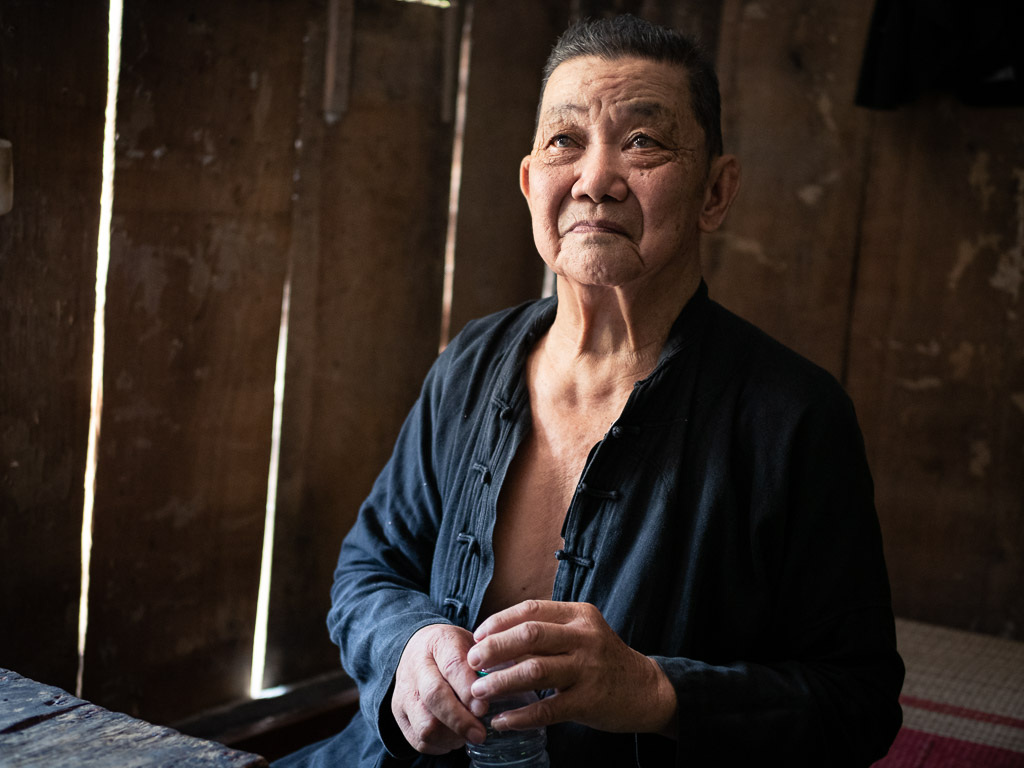
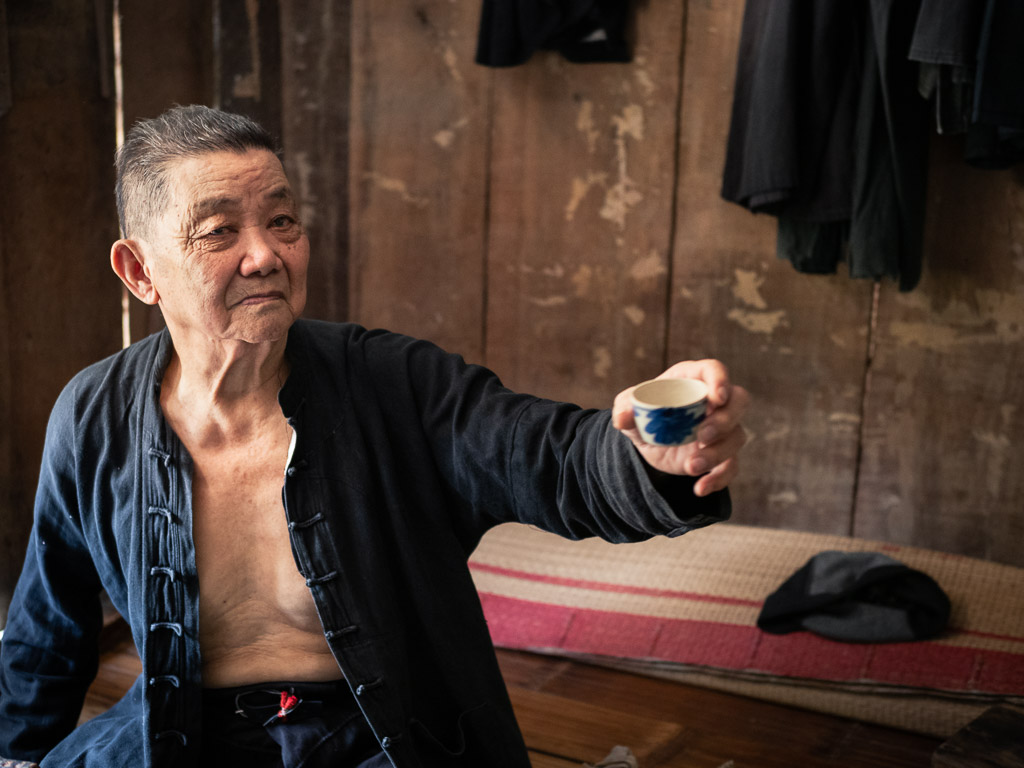
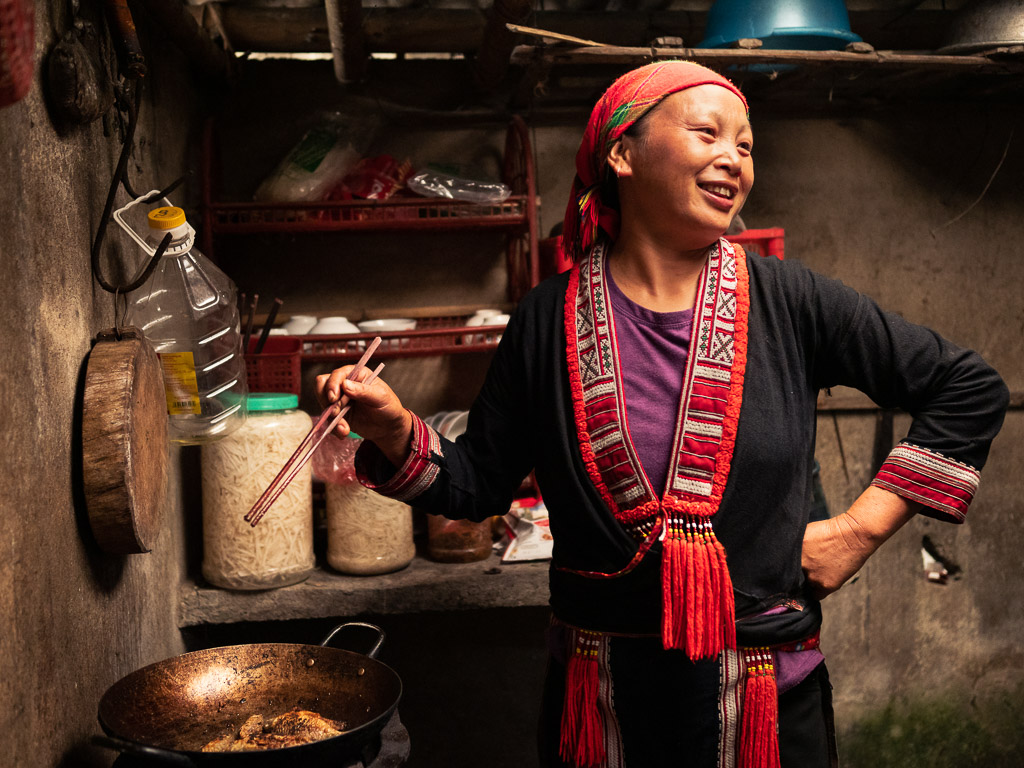
In northern Viet Nam, our long hikes through the hills and valleys of rice fields, were often rewarded with the opportunity to visit in someone’s home. This older man was, actually, quite drunk. He mostly just sat there drinking his homemade distilled rice alcohol (tastes much like sake). He was quite patient with our photography, as long as we filed his cup.
I didn’t do enough photography (this is a bad thing)
I’m still restless about the meaning and use of photography (this is a good thing)
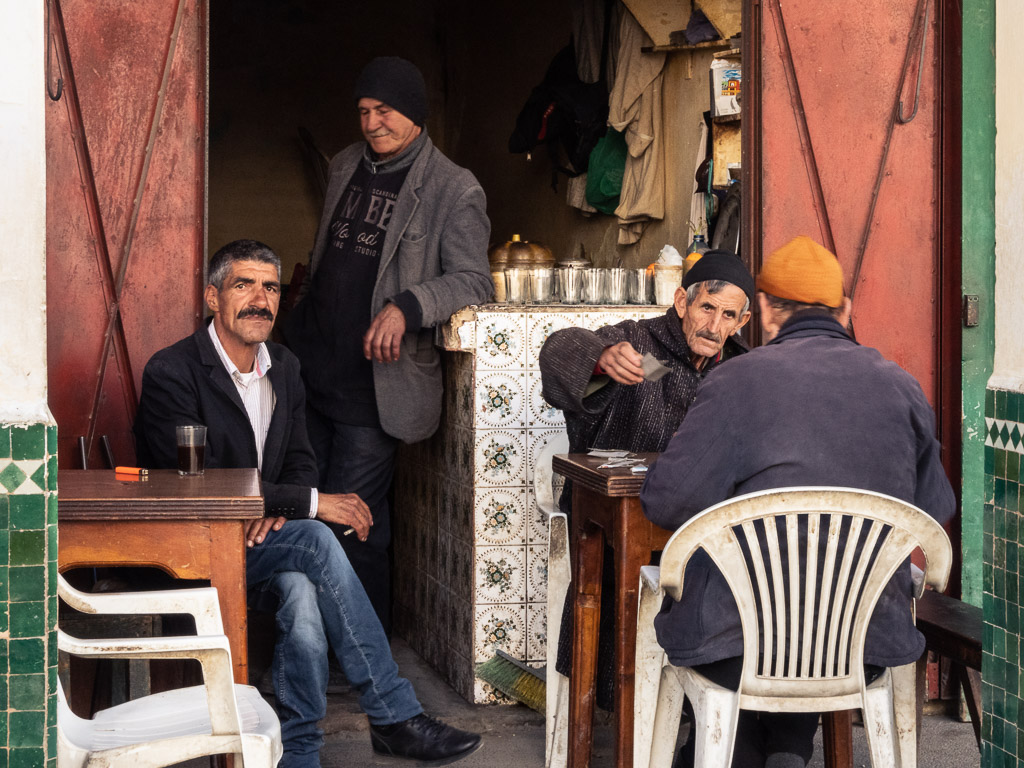
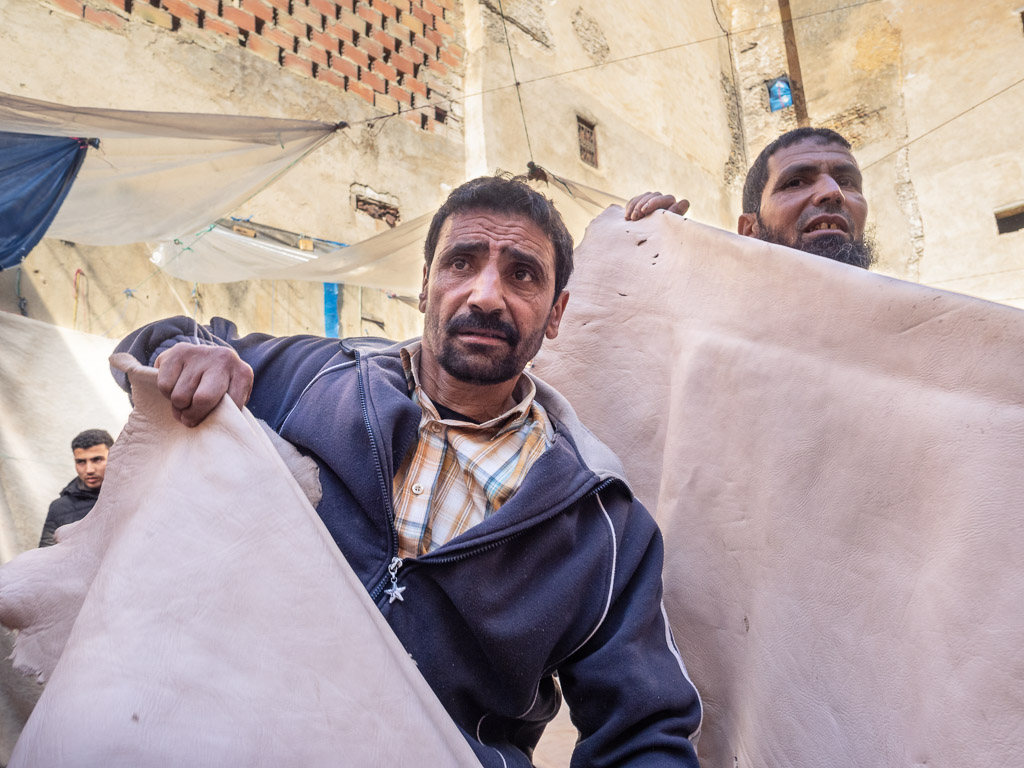
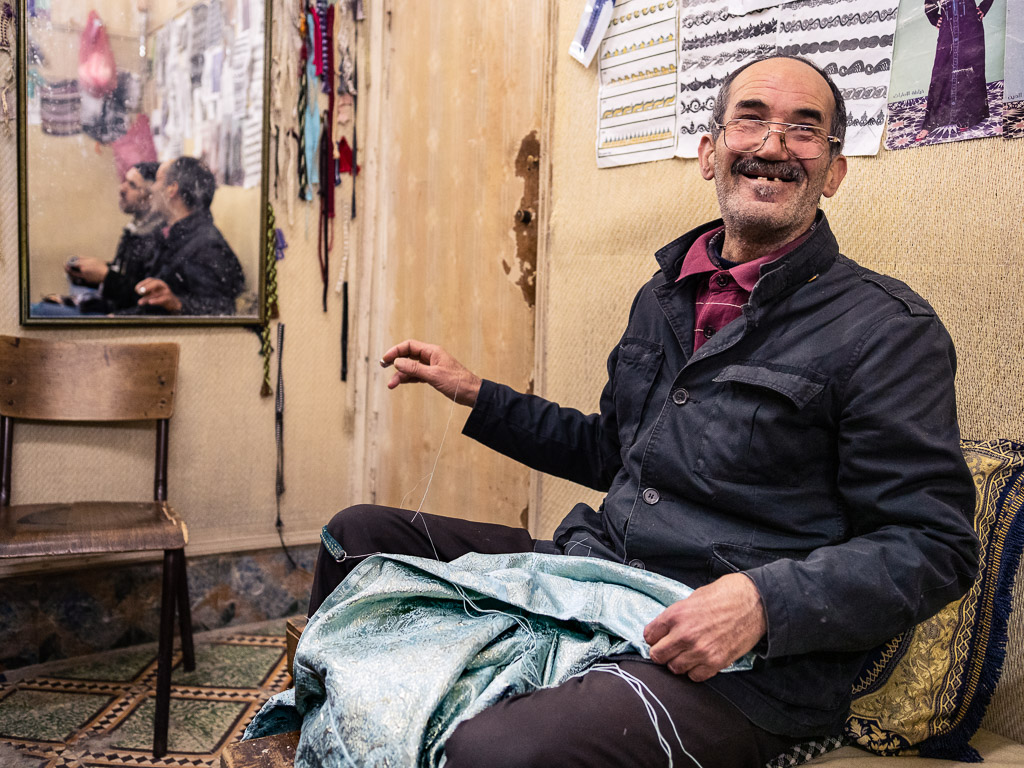
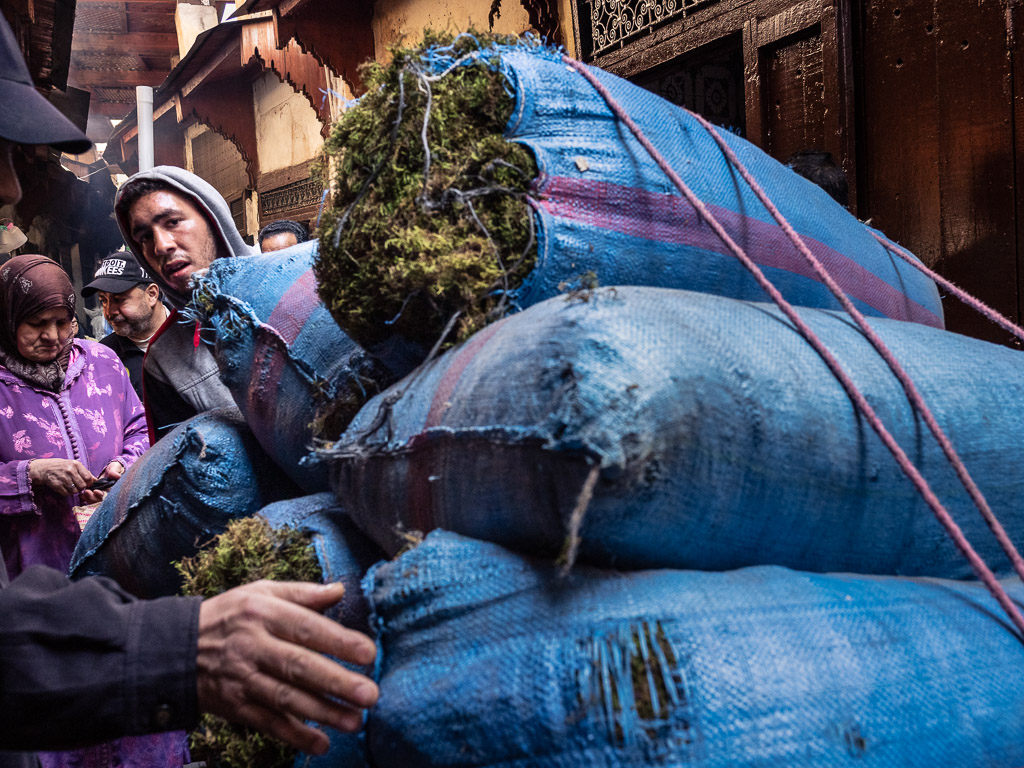
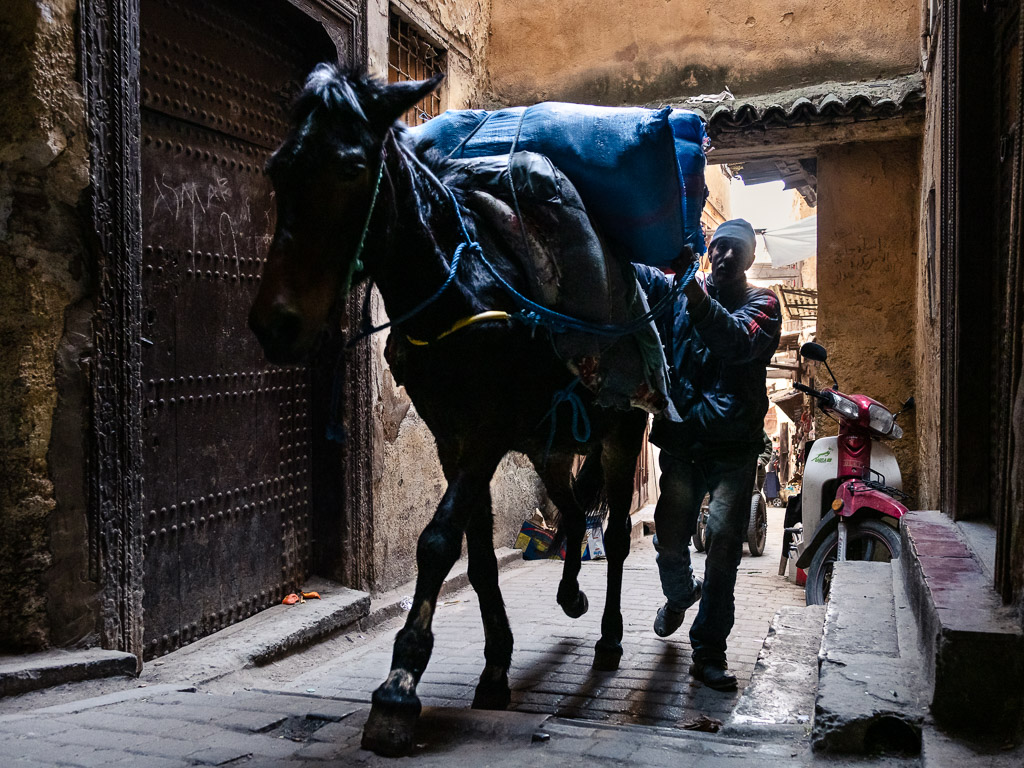
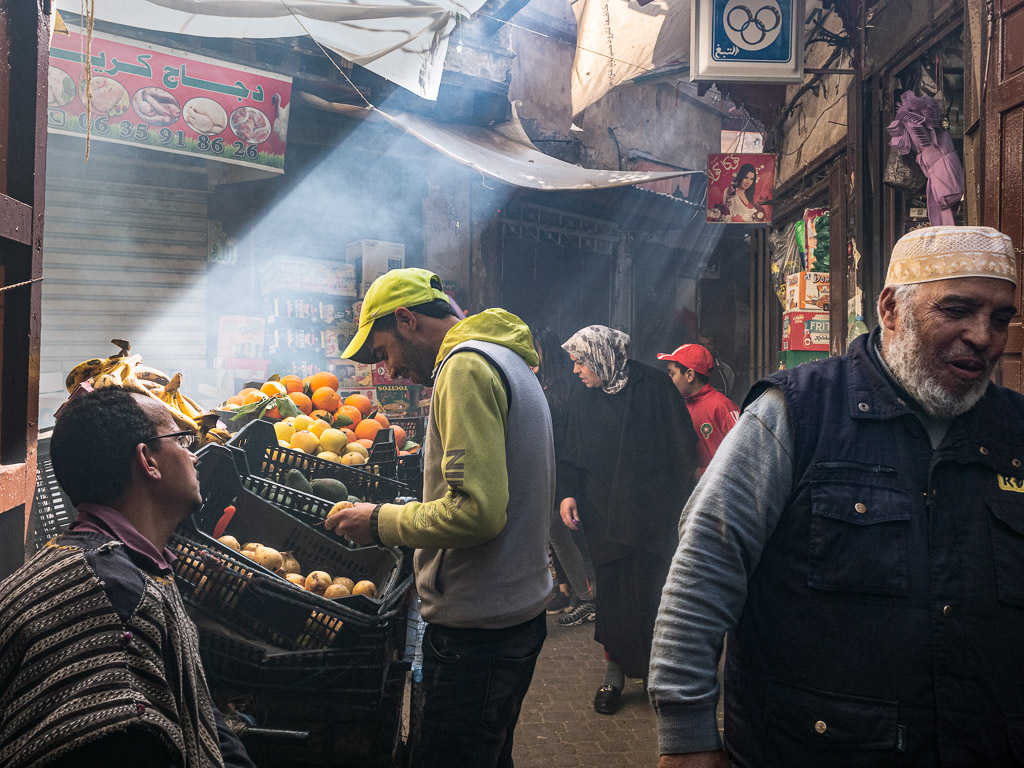
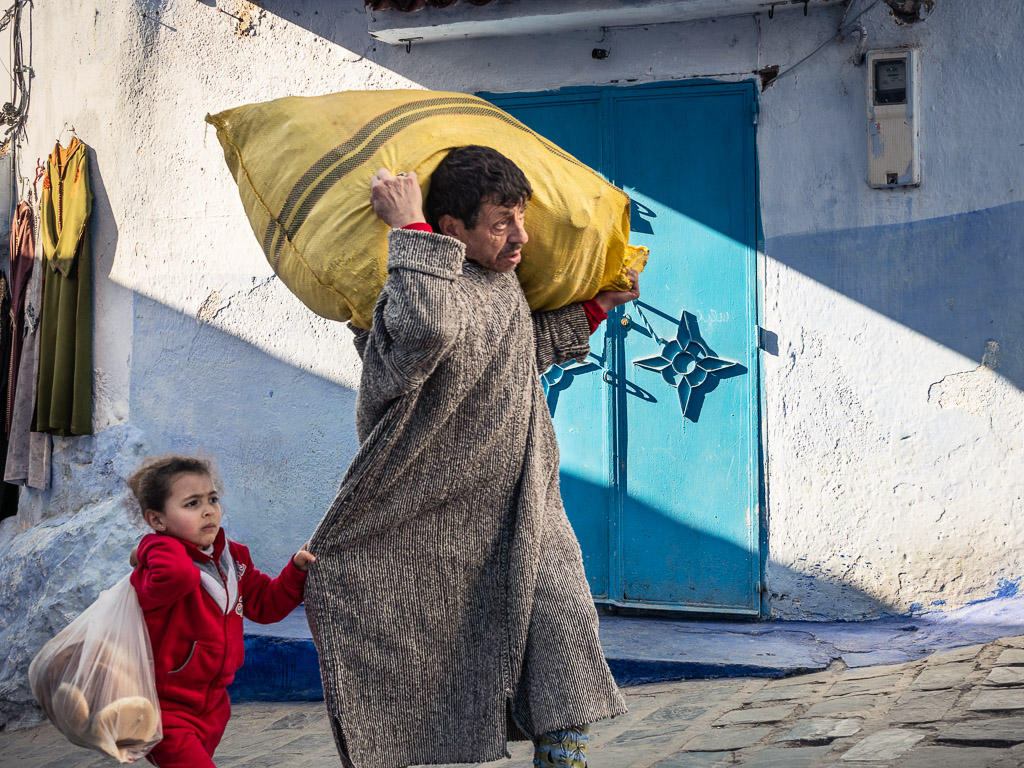
Rusty in Morocco – February
(click on an image for larger views)
I took my first photographic travel adventure in February 2013 to Cuba. I have since followed this with yearly adventures; traveling with photographers, for photography.
2013 – Cuba and Oaxaca
2014 – Portugal
2015 – Ireland
2016 – Japan
2017 – Mongolia
2018 Palermo/Venice
2019 Morocco and Vietnam
Experiencing life in another country, through another culture, is a way to open your eyes to what you have, what you don’t have, and contemplate what you really need. Doing it with photographers, for photography, provides the opportunity to stop, linger, and explore the alleys and side streets away from the national monuments and museums.
Unfortunately, it is also far too easy to get lulled into a rhythm of only photographing when you are traveling. At home, work gets in the way, life gets in the way, boredom gets in the way. In Morocco, I felt really rusty. My photographs were nice, but predictable. Too many times, I heard the voice of a previous mentor saying “too much like something you would see in a travel brochure”. Well framed – yes, well organized – sure, interesting content – mostly, unique vision – maybe.
Better in Vietnam – September
(click on an image for larger views)
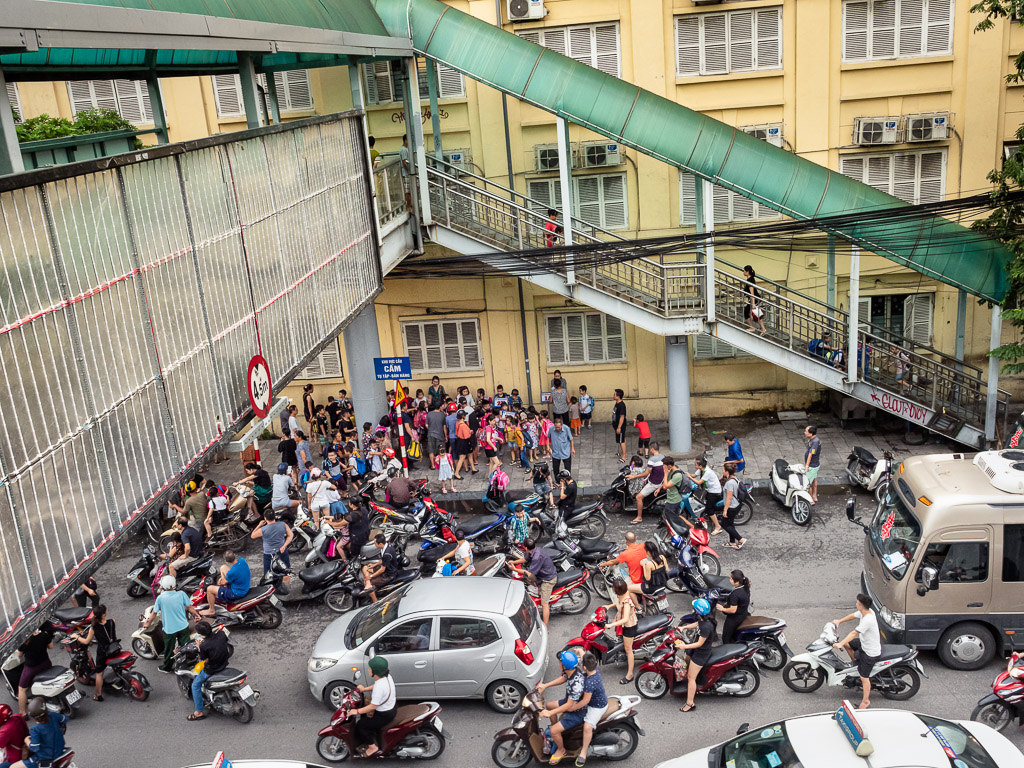
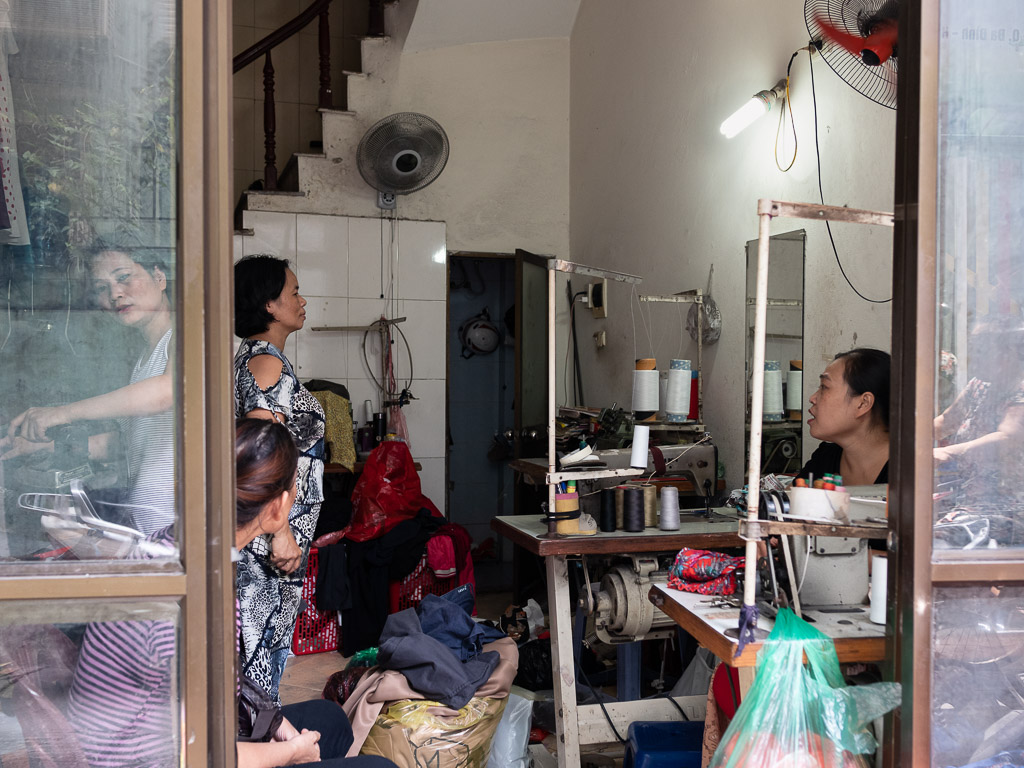
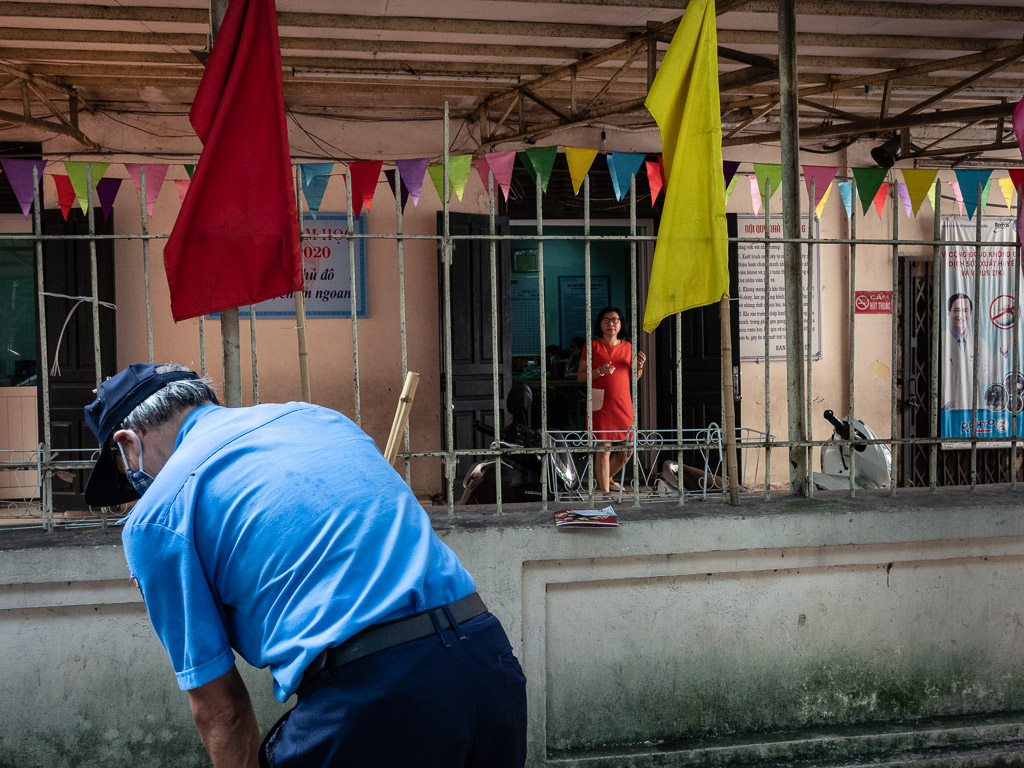
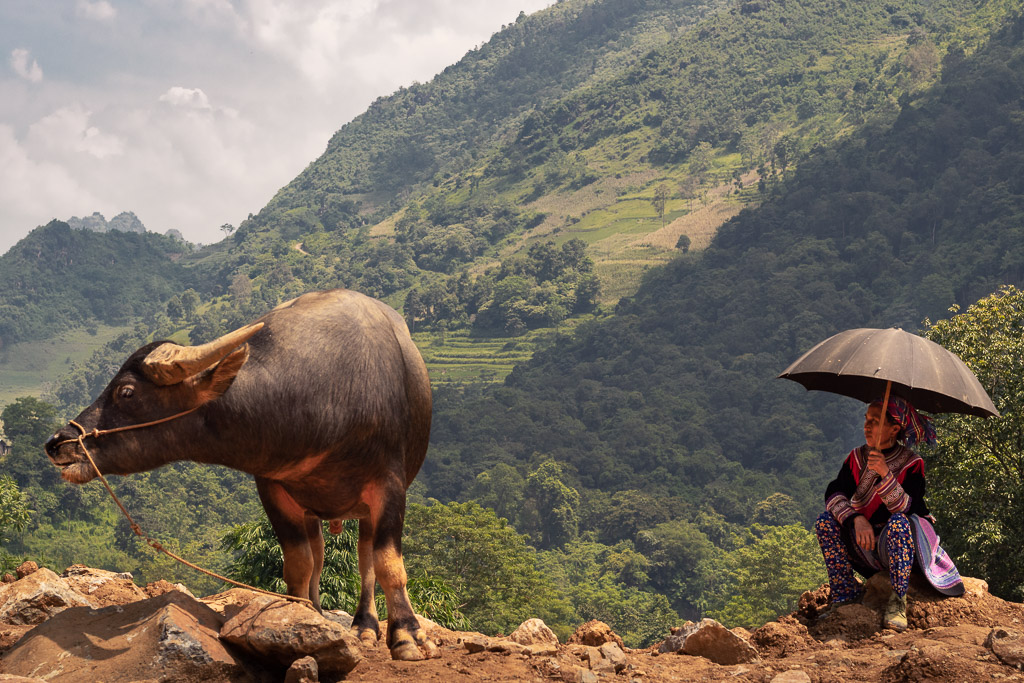
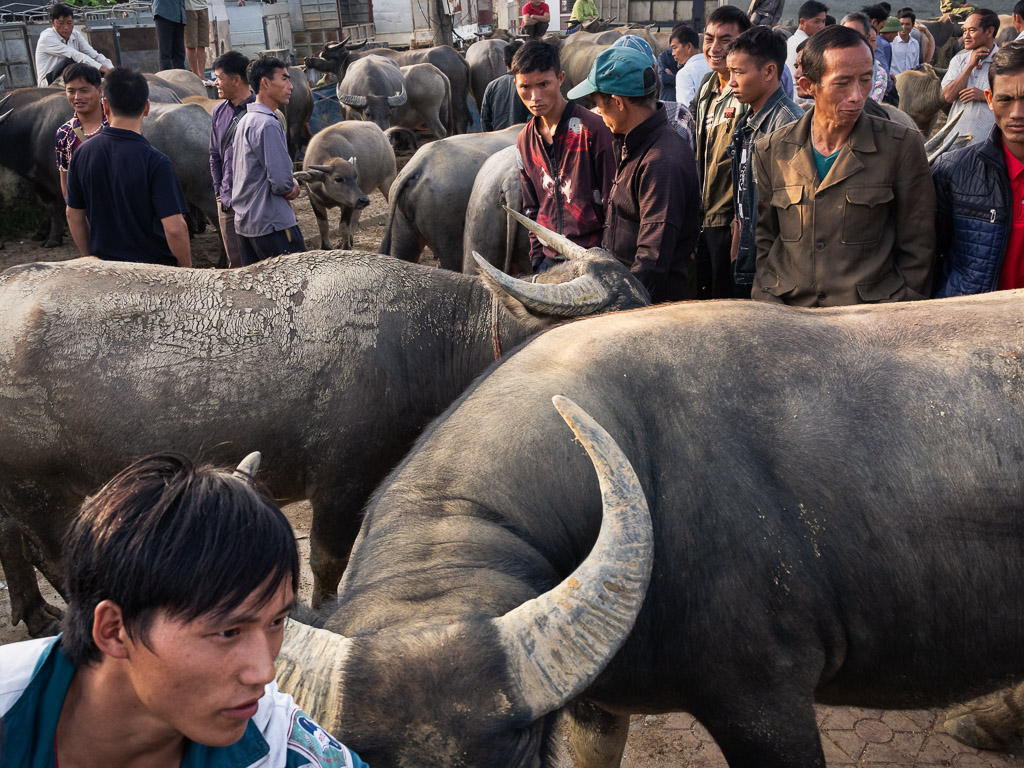
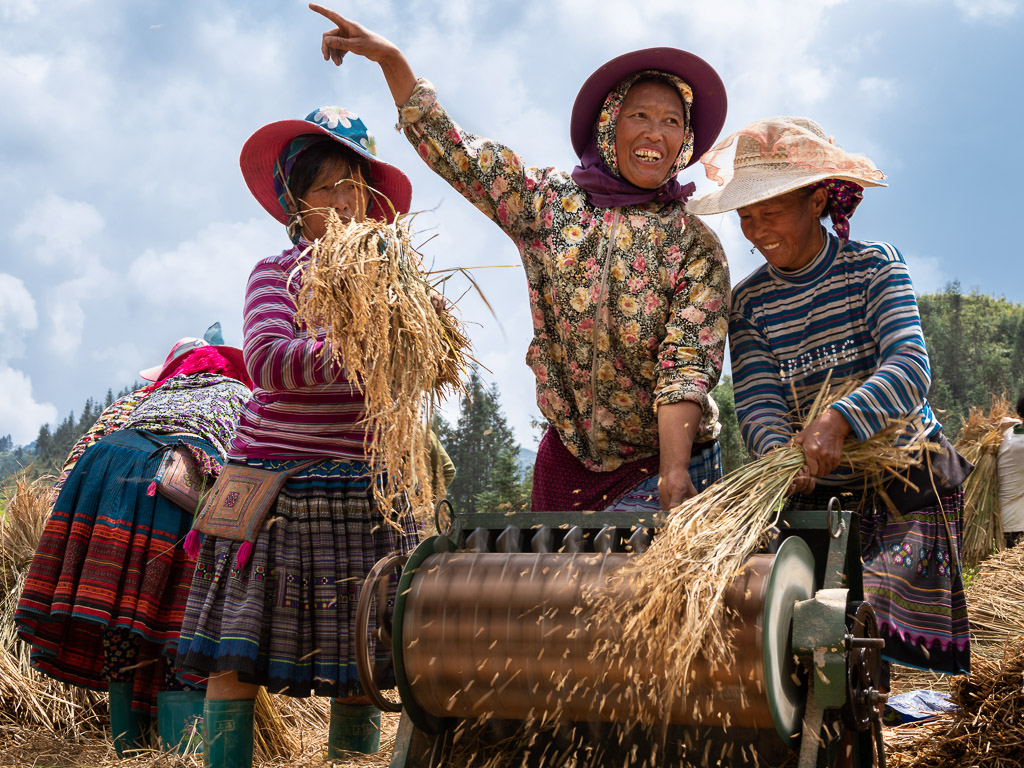
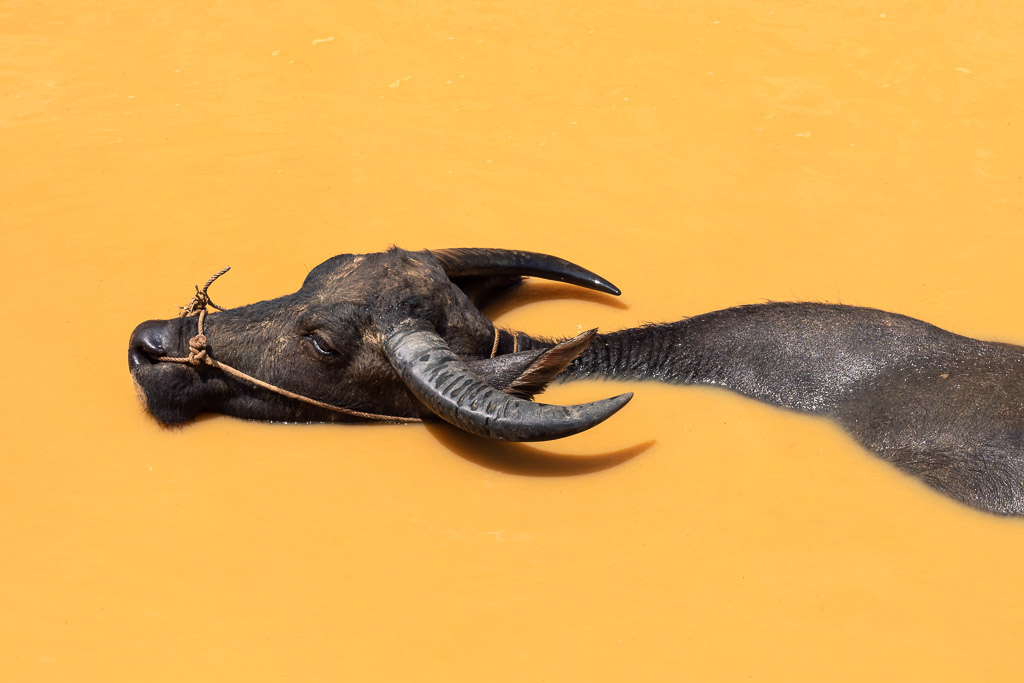
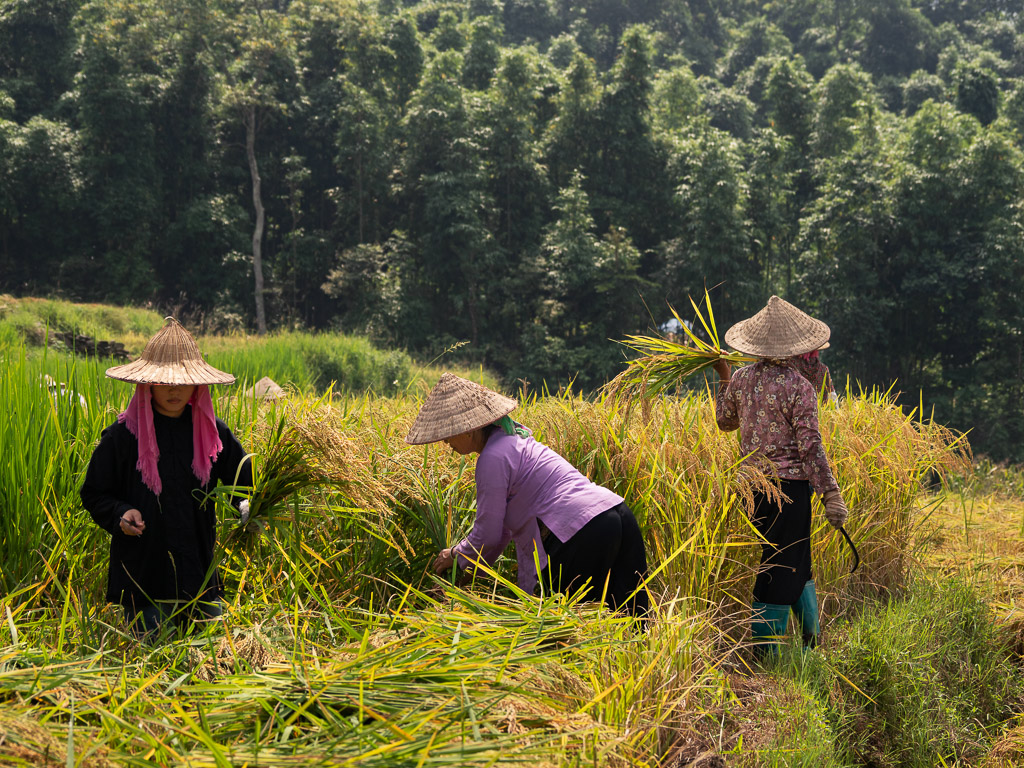
But Vietnam was better. I was really apprehensive about this trip. I was actually, secretly, looking for excuses to cancel. It was odd from the beginning, with odd circumstances, very small (only 3 of us), but oh so fantastic. There are a few things I did differently on this trip. 1) I concentrated on making photographs all summer. Sometimes just for 2 hours a week, during shot walks on the beach with my husband, but exercising my photographic eye none-the-less. 2) I got there early and hired a guide for a day and a half. Once I taught him to slow down and linger, I could loose myself in the surroundings. Hanoi was busy and all things a street photographer could want. The northern country side was stunning and our local guide brought us to people and places that we would have never found otherwise. It was hot, it was hard (long treks), but it was rewarding.
Changes for 2020:
I will make more photographs at home. Maybe literally at home. Lots of pictures of Chick in our small condo. But this will be stimulating and challenging.
I will make more photographs outside of my usual street photography genre. For a few years now, I stopped going shooting with my friends when they went out to shoot birds, or fields, or something other than the street. This was my loss. Pictures are cheap, but practice is not. I forgot this and stopped taking advantage of cheap opportunities for pictures and lost out on the practice.
Happy 2020 – I head to China in September to discover the Silk Road.
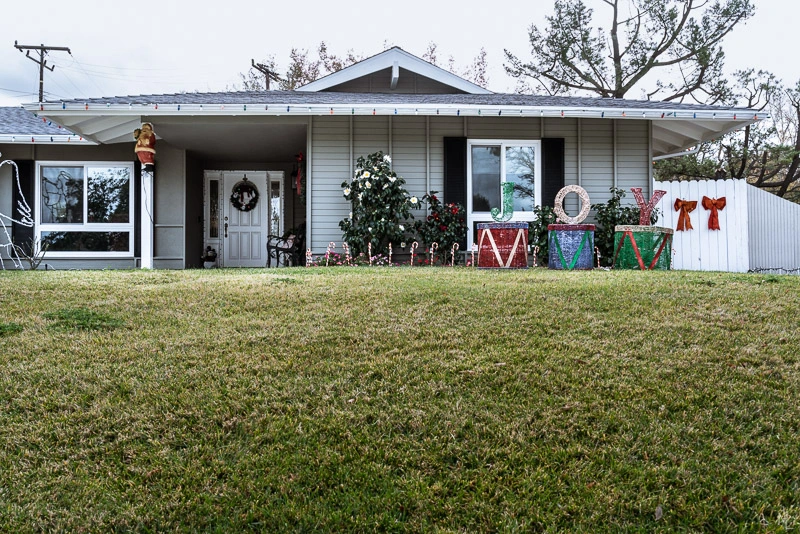
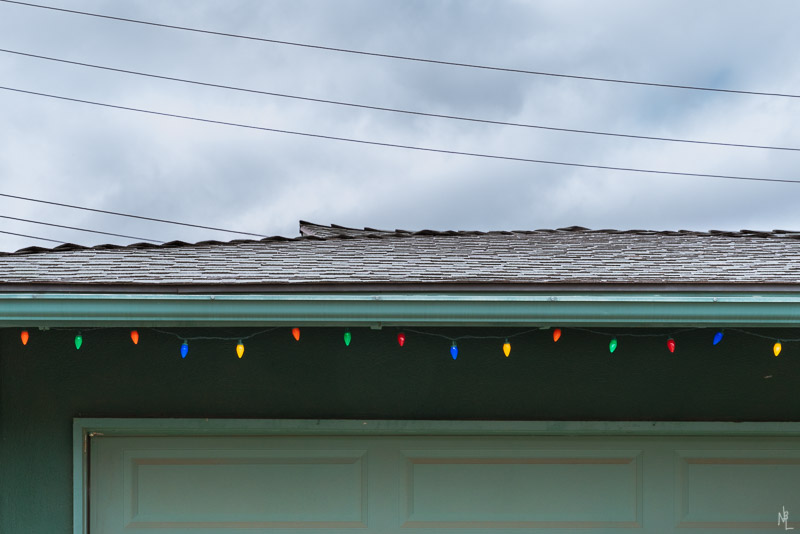
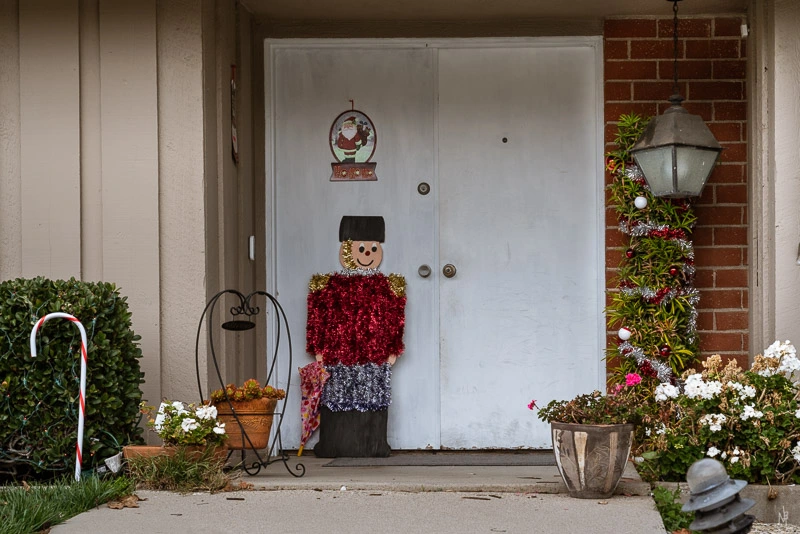
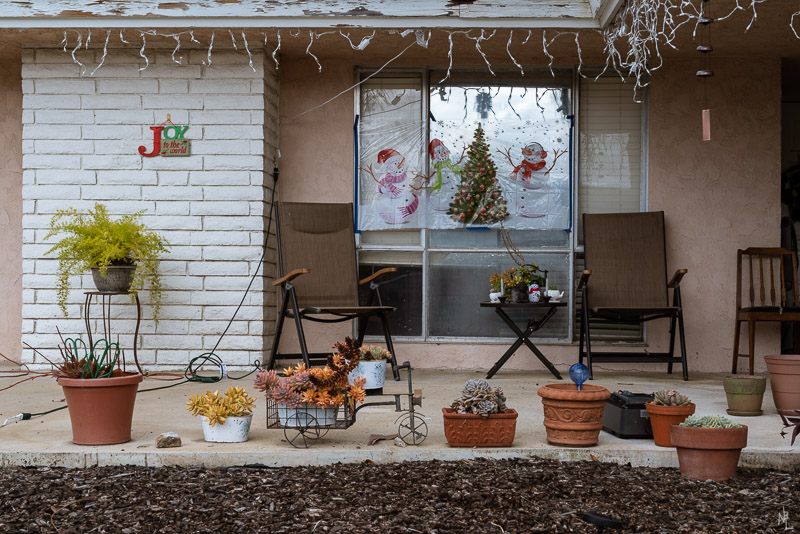
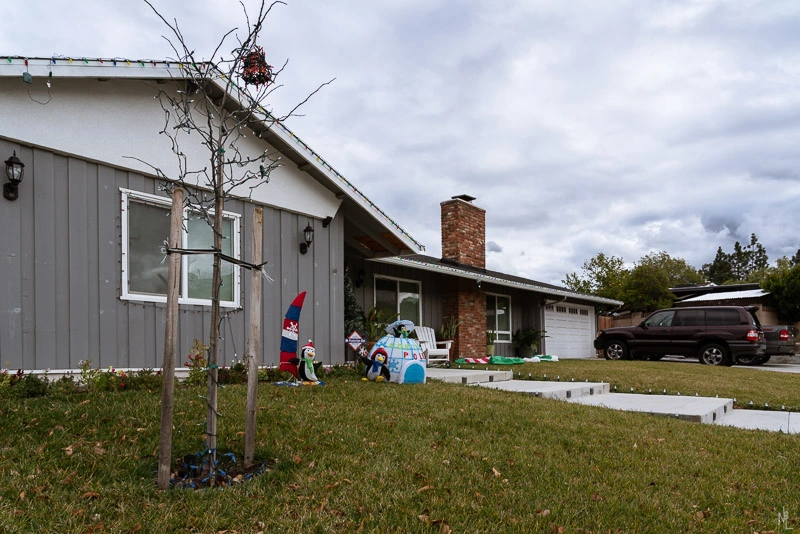
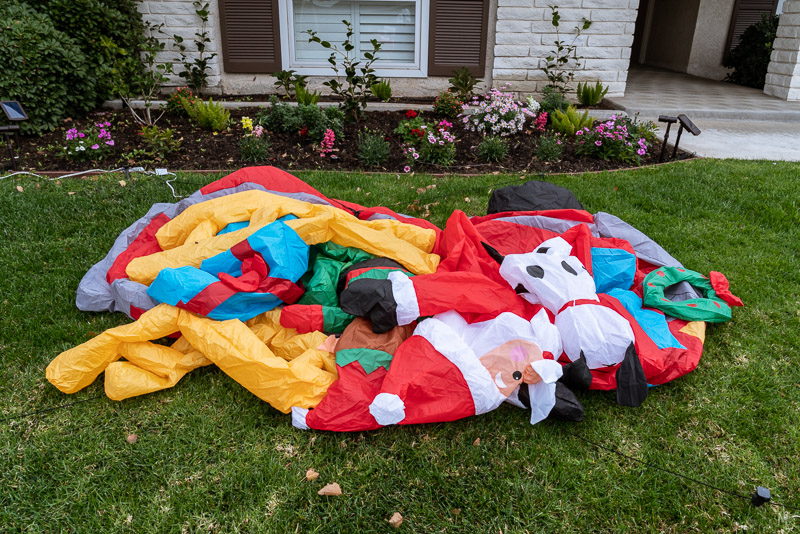
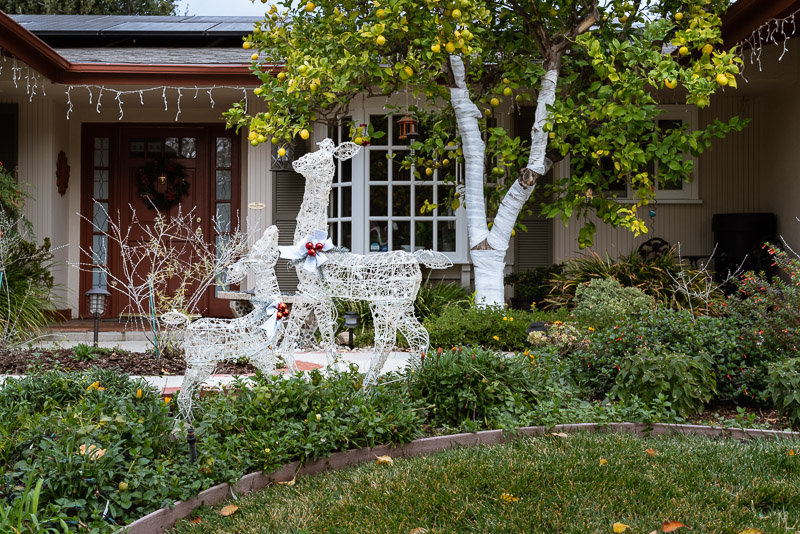
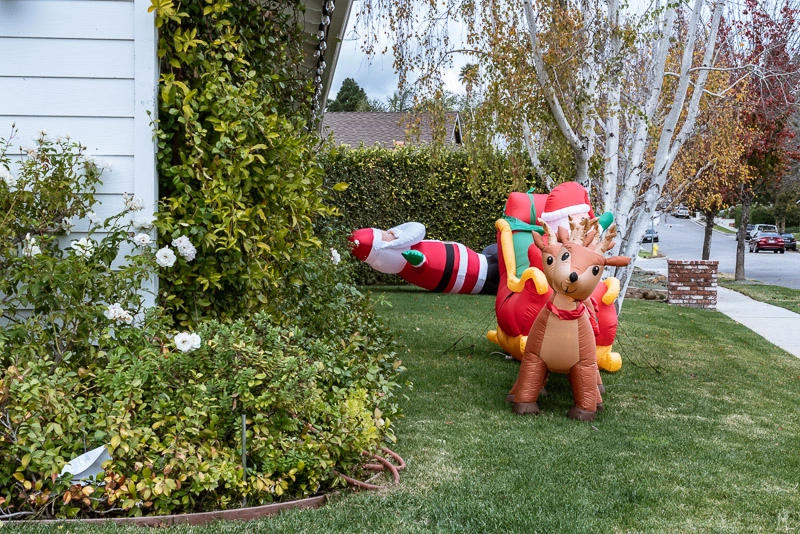
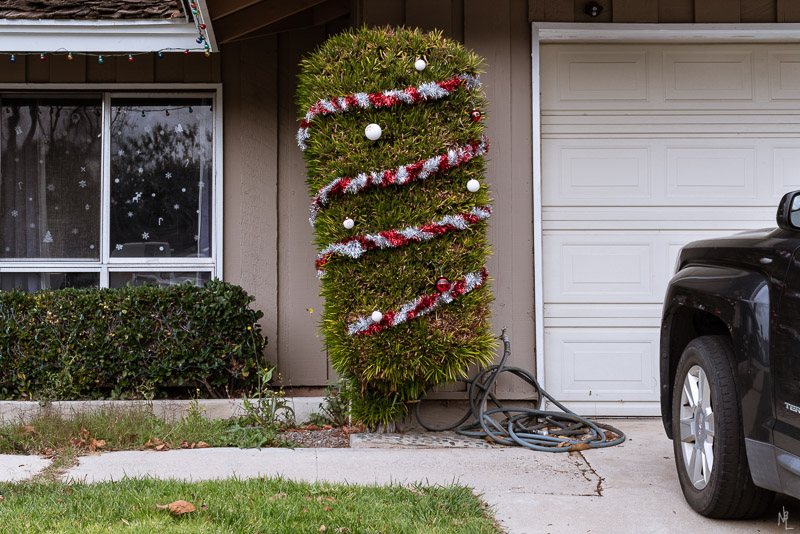
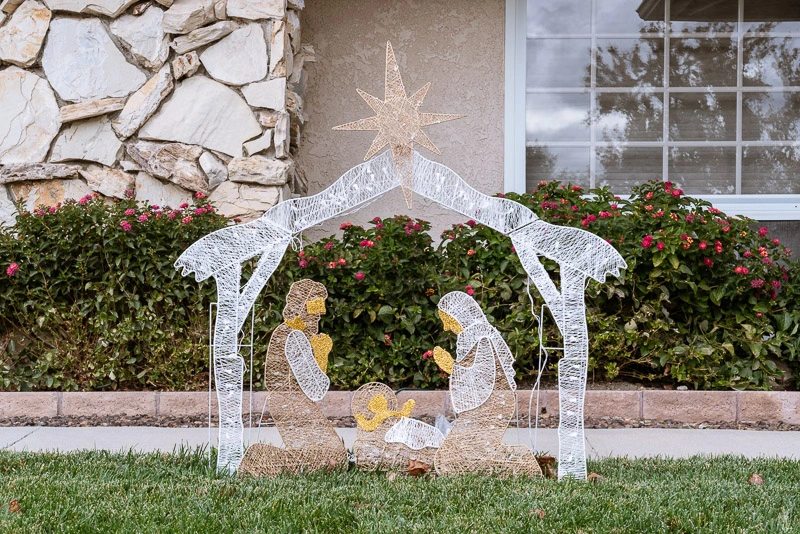
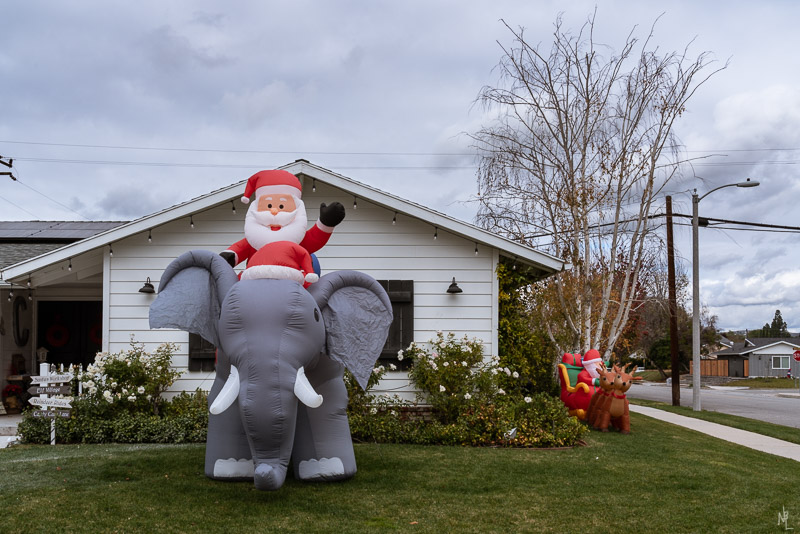
Walking my neighborhood on this overcast southern California Christmas Day. Nothing says Los Angeles suburbs quite like the 1960s ranch house architecture, and my neighborhood is full of them.






 iNancy iMages